
How it works
Easy for your office. Four steps from saliva to a plan.
-
 01
01Order
Your clinic orders. A physician order is included where state law requires it. Cash pay, no insurance paperwork.
-
 02
02Collect
A saliva kit from your shelf. Your client collects in minutes, no needles. The return label is already in the box.
-
03
Sequence and read
We sequence the whole genome, about 3 billion letters of DNA, in a CLIA/CAP lab partner. Then we read 538 genes, letter by letter.
-
04
Report
A plain-English report comes to you first, with a clinician guide so you can walk through it together.
Whole genome, not a chip. "No variant" means no variant.
Nothing assumed. Checked against dbSNP and ClinVar, cited to PubMed.
Ancestry-matched. Compared with people of similar background.
Re-read, never resampled. The same genome, updated as science grows.
From genome to plan
We turn 538 genes into 21 pathways you can understand and act on.
There's no single mood gene. Each pathway can run reduced, balanced or elevated. Pick one, then flip the direction to see how it tends to show up in a life, the genes we read, and what supports it.
Pathway 07
HPA axis and stress
This is the stress response from switch-on to shut-off. Genes like FKBP5 decide how quickly the brake on cortisol engages once a threat has passed.
When it runs elevated
Turns on fast and resets slowly. The body stays on alert after the moment is over, and waking at 2 to 4 am with urgent thoughts is common.
Worth asking your client
"After a hard day, how long until your body feels normal again?"
Some of the genes we read here
- FKBP5
- NR3C1
- NR3C2
- CRHR1
- CRH
- ADCYAP1R1
What can support it
- Wind-down routine
- Adaptogenic herbs
- Consistent sleep
- Time outdoors
- Body-based practices
Support suggestions are general wellness categories, not treatment. Every plan is set by the client's own clinician. These statements have not been evaluated by the Food and Drug Administration.
After the test
What your client walks away with.
Genomics is only useful if someone can act on it. Here's what happens once the report lands.
A conversation, not a printout
You review the report together, with the clinician guide in hand. Your client hears "this is how you're wired," not "this is what's wrong with you."
A plan in plain English
Three pathways to act on first, each with nutrition, supplement and lifestyle support they can start this week.
An answer to "why"
"Why do I feel this way?" finally has a biological answer. It takes it out of willpower, and people follow plans they understand.
A genome that keeps working
Bring the report back at every review. As research grows, we re-read the same genome. No second sample.
For your practice
Know your client at the level of their biology. Then know what to do next.
Labs show where someone is today. Their genome shows how they're built. A genome doesn't replace your judgment. It gives your judgment something solid to stand on.
When to order it
- They've tried everything. The protocol was sound and still didn't work. The report shows which pathways were working against it.
- Before you build the plan. Start a new client from their biology, so your first protocol is your best one, not your fifth.
- Labs look normal. They don't feel normal. When bloodwork can't explain it, the wiring underneath often can.
- Clients who want the why. Longevity and concierge members expect depth. This is the most personal data they'll ever bring you.
What it adds to your practice
- Fewer guesses. Start where the biology points, not where the average client lands.
- Something few practices offer. Whole-genome depth, under your clinic's name if you want it.
- Cash pay that fits your model. No insurance billing. Works with memberships and packages.
- Set up and supported. Ordering that fits your workflow, training for your team, and a clinician guide with every report.
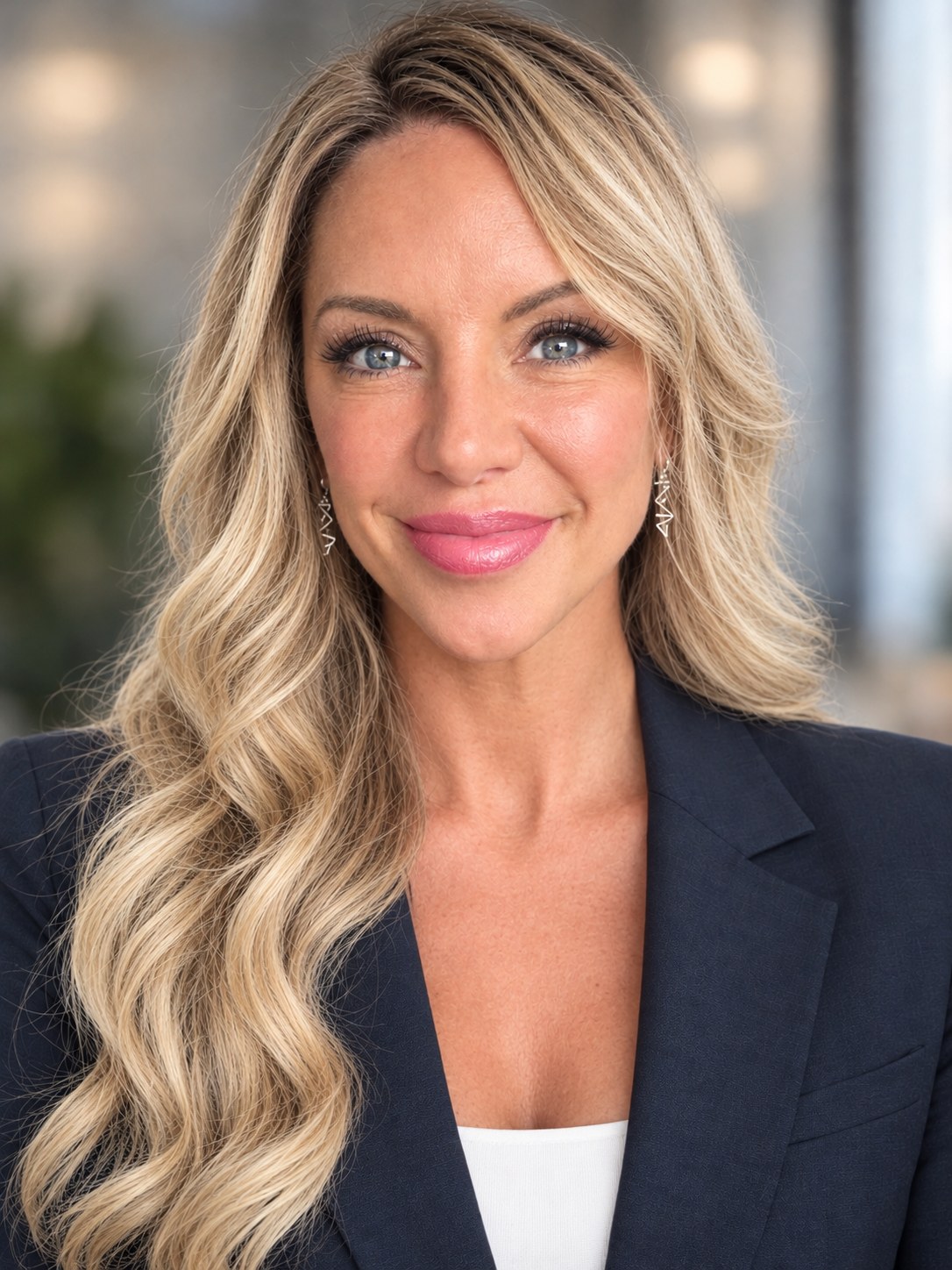
- 20+ years in genomic diagnostics: Illumina, SOPHiA Genetics, oncology genomics
- Built genomic products and stood up genomics programs inside health systems
- Writes the Sanctified Mind bioinformatics pipeline herself
- MBA, William Jewell College
Meet the founder
Niki Ausmus
Founder and Chief Genomics Officer, Sanctified Mind Genomics
I spent 20 years reading the biology behind disease. Then it came home.
I'm a genomics scientist, and I've spent my career in genomic diagnostics. I've built genomic products, stood up genomics programs inside health systems, and sat across from clinicians showing them what the data could do for the patient in front of them. In cancer care, nobody treats without reading the biology first.
Then my daughter nearly died from anorexia. I sat in hospital rooms beside some of the best clinicians I've ever met and watched them work without the one layer I'd spent two decades reading for cancer patients: the biology underneath. In mental health, almost nobody looks.
So I built it. I write the bioinformatics myself, line by line. And I didn't build it alone. Over twenty years I've worked beside geneticists, psychiatrists, lab directors, bioinformaticians and functional medicine physicians, and many of them shaped this test. They're the first people I call when the science moves.
If you ever ask where a finding in your client's report came from, I can show you. Every gene, every variant, every paper.
"No one should lose years to a mind no one bothered to read."
Niki
Questions clinicians ask
Straight answers.
Research program
Polygenic risk scores for several conditions are in validation. They are not part of client reports until published validation is complete. Clinics can join our research program.
Why these conditions
- ADHD. About 5 in 100 children and 2.5 in 100 adults. PMID 30478444
- ADHD overlap. 84 to 98% of ADHD-related variants are shared with other psychiatric conditions. PMID 36702997
- Autism. More than 1 in 100 children. PMID 30804558
- OCD. About 1 in 100 children and adults. PMID 40360802
- Anorexia. 0.9 to 4 in 100 women, about 0.3 in 100 men. Heritability 50 to 60%. PMID 31308545
- Schizophrenia. Heritability 60 to 80%. PMID 35396580
- Bipolar. 40 to 50 million people worldwide. PMID 34002096
Population figures from published studies. Not findings about any client, and not part of client reports.
No. It's a wellness and education tool. It shows tendencies, what to watch, and what's in your client's control. It never names a condition.
Lab standards and privacy
Your client's DNA is part of God's design, not a product to be sold.
- CLIA-certified lab Sequenced in a CLIA-certified lab partner
- CAP-accredited lab Our lab partner holds CAP accreditation
- Never sold We don't sell genetic data. Ever.
- Not shared Never shared with employers or insurers
- Clinician-ordered Ordered and reviewed by your clinician